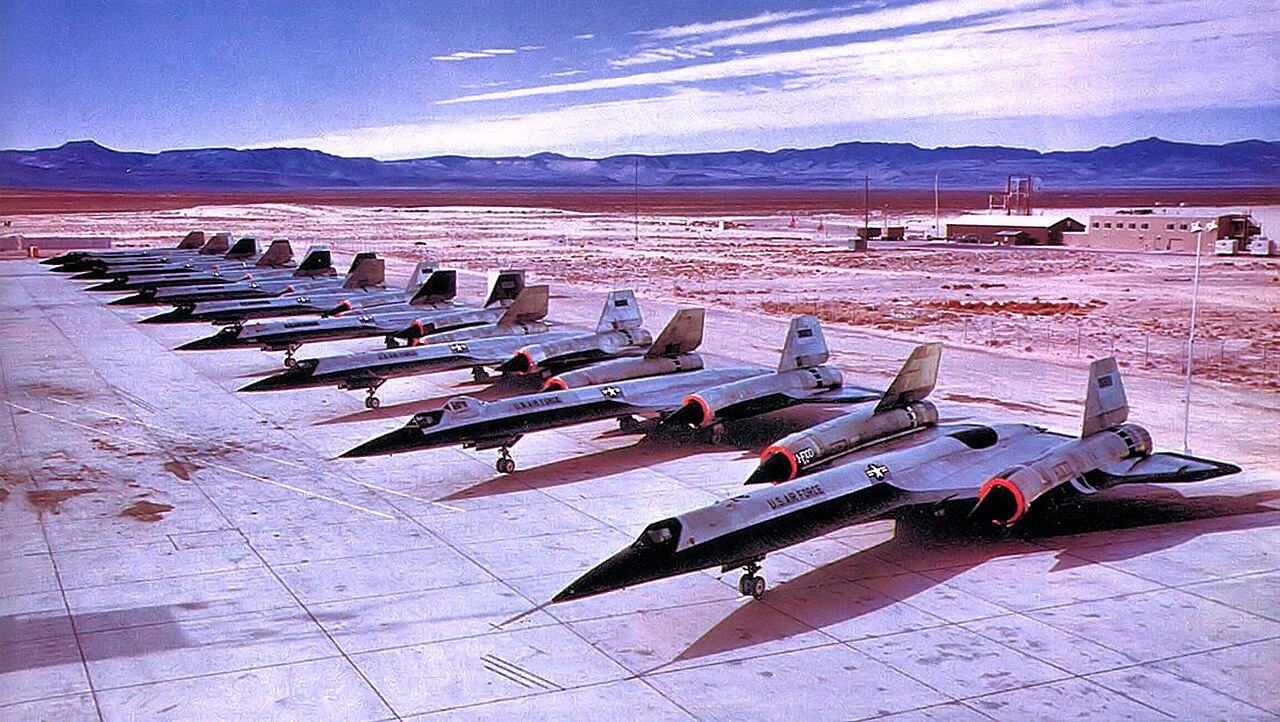
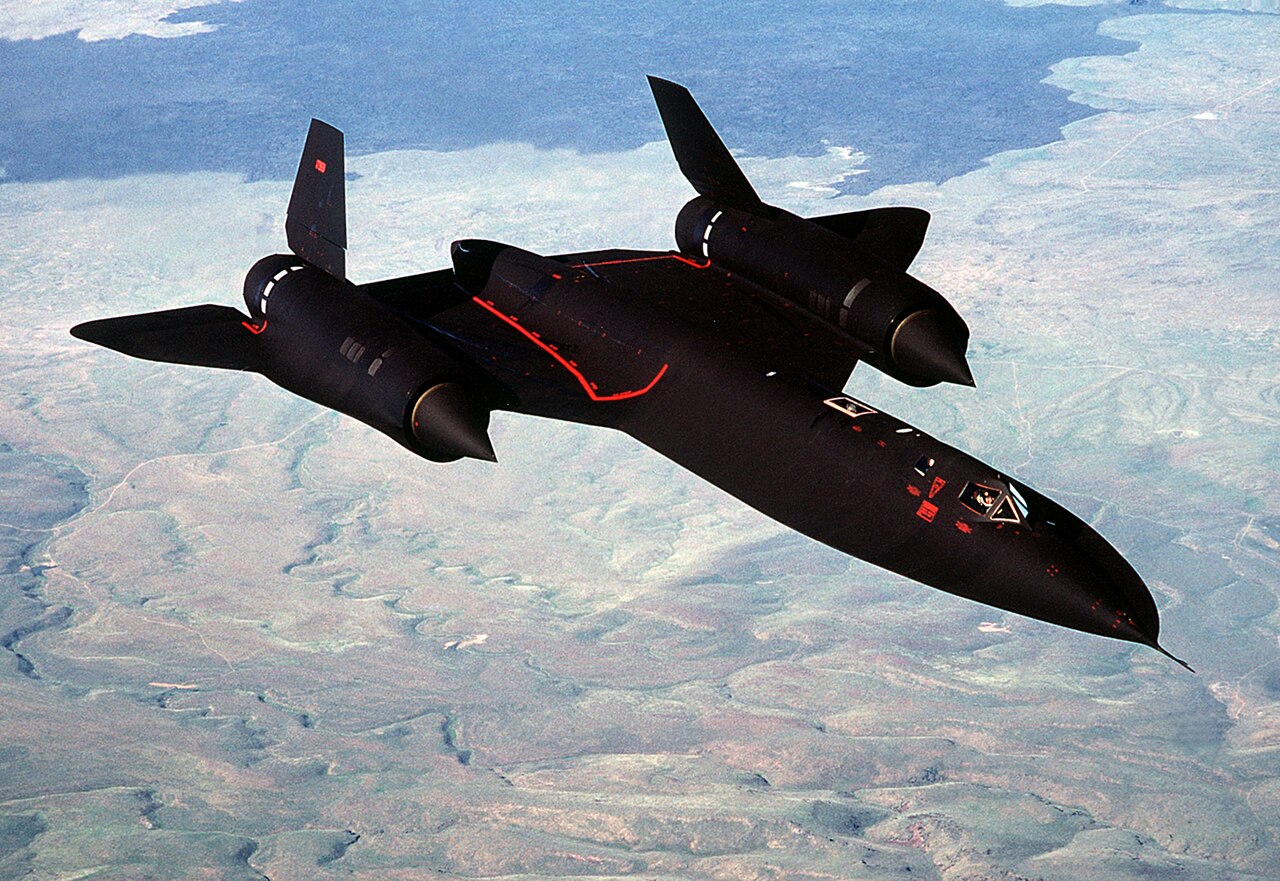
Before the U.S. Air Force ever flew the SR-71 Blackbird, the CIA was already flying something faster, lighter and even more secret out of a runway in the Nevada desert. The A-12 Oxcart was flown exclusively by CIA officers, not military pilots, on a program so classified that its own pilots' families didn't know what they did for a living. Its existence wasn't declassified until 2007 — nearly forty years after the last one flew.
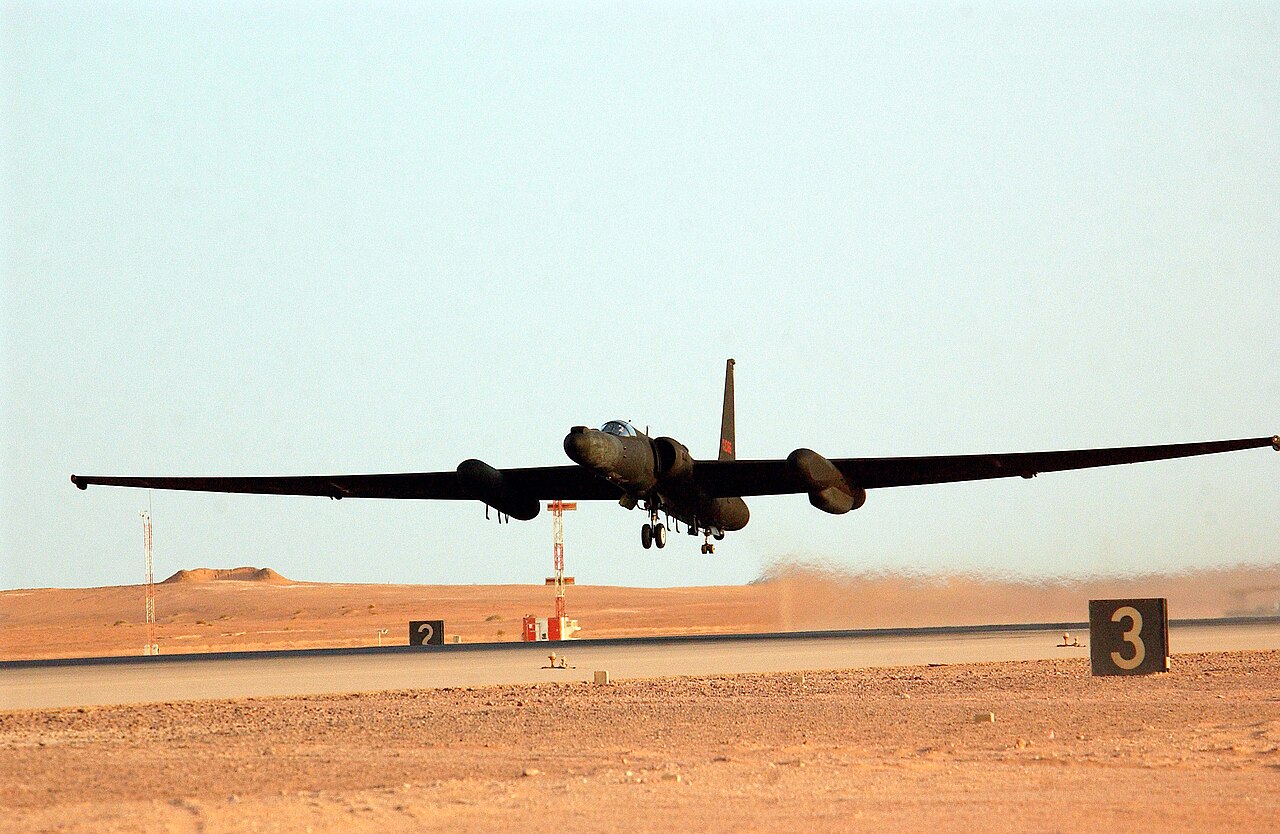
The A-12 exists because the U-2 solved the altitude problem and immediately created a new one: speed.
By the late 1950s, the CIA knew Soviet missile technology would eventually catch up to the U-2's altitude advantage — a suspicion later confirmed when Gary Powers was shot down in 1960. The Agency asked Lockheed's Skunk Works, again under Kelly Johnson, to solve the problem differently: instead of flying above the threat, fly too fast for it to matter.
The result, codenamed Oxcart, first flew on April 26, 1962, from the same secret Groom Lake test site that had proven out the U-2 seven years earlier. Built almost entirely from titanium to survive the heat of sustained Mach 3+ flight, it remains one of the most radical airframes ever put into operational service.
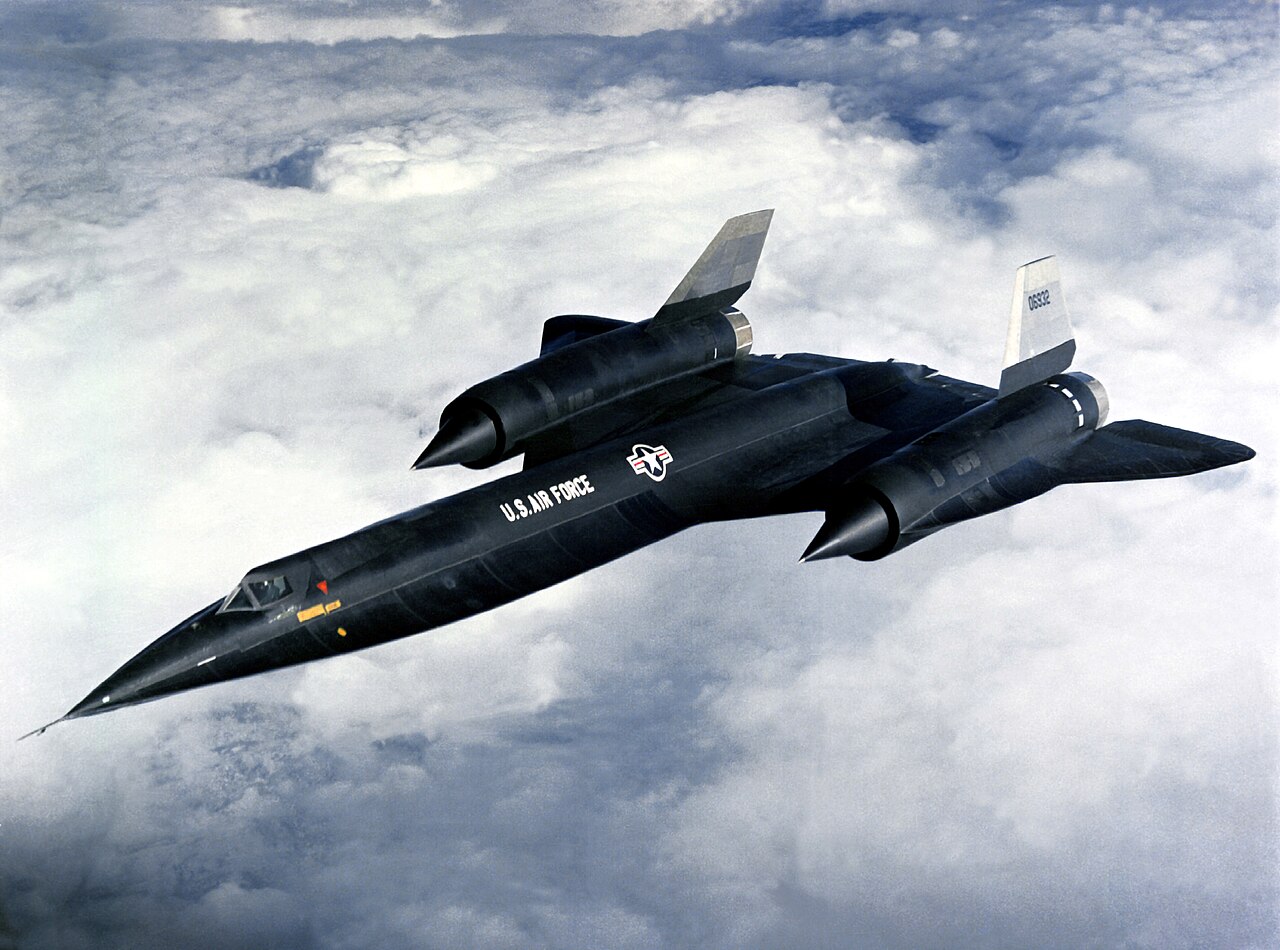
Like the U-2 program before it, the Oxcart was flown by CIA officers rather than active-duty military pilots — a deliberate choice that let Washington keep its distance if anything went wrong.
A-12 pilots were recruited quietly from the Air Force, resigned their commissions, and became CIA employees under deep cover — the same “sheep-dipped” process used for U-2 pilots a few years earlier. They lived and trained at Groom Lake under aliases in some records, flying an aircraft the rest of the U.S. government wasn't told existed.
The secrecy went further than the aircraft itself. Family members of Oxcart pilots frequently had no idea what their husbands or fathers actually flew, told only that the work was classified and the destination was “the ranch” — a common nickname for the Groom Lake facility among those cleared to know it existed at all.
We couldn't tell anyone what we did. Not our neighbors, not most of our own family. You just said you worked for Lockheed and left it there.
— Characterization drawn from declassified CIA Oxcart program oral historiesThe Air Force's more famous SR-71 Blackbird was directly derived from the Oxcart — and, on paper, was actually a little slower.
Unlike the two-seat SR-71, the A-12 carried only a pilot, with no second crew member for reconnaissance systems operation. That lighter airframe let it reach a slightly higher sustained speed than its heavier Air Force successor — Mach 3.29 for the A-12 against the SR-71's Mach 3.2 — a difference small in absolute terms but real in the record books.
The SR-71 grew directly out of Oxcart engineering, adapted into a two-seat, slightly heavier airframe for U.S. Air Force reconnaissance use once the CIA-only Oxcart program was judged too narrow and too secret to sustain long-term. Both aircraft flew from the same Skunk Works design lineage, under the same basic Mach 3, high-altitude philosophy.
Flying at the very edge of what mid-1960s aviation engineering could survive came with a real, human cost.
Of the roughly 15 A-12s built for the program, five were lost in accidents before the CIA formally handed reconnaissance duties to the Air Force's SR-71 in 1968. Two pilots died in those accidents, including CIA pilot Walter Ray, killed in January 1967 when a fuel system failure caused an engine flameout during descent. Both men are honored anonymously on the memorial wall at CIA headquarters — stars with no names next to them for decades, a quiet marker of a program that officially didn't exist.
The aircraft never flew combat missions with weapons — its role was reconnaissance only — but it did fly real operational missions over Vietnam and North Korea during the mid-to-late 1960s under the codename Black Shield, providing imagery American commanders couldn't get any other way at the time.
CIA Memorial Wall, Langley, Virginia
Two Oxcart pilots, honored without names, for decades.
The Oxcart shares direct credit with the U-2 for one of the most concrete government admissions in UFO history.
In a 1997 Studies in Intelligence article, CIA historian Gerald K. Haines wrote that Agency officials involved in these programs stated that U-2 and A-12 Oxcart flights together “accounted for more than half of all UFO reports” made to the Air Force from the late 1950s through most of the 1960s. Flying even higher and faster than the U-2, with a similarly polished airframe catching sunlight at extreme altitude, the Oxcart is directly implicated in that same wave of Cold War sightings — a classified aircraft mistaken, in good faith, for something much stranger.
The Oxcart retired in 1968. The public didn't get an official confirmation of what it even was until decades later.
The CIA's own official history of the program, The Central Intelligence Agency and Overhead Reconnaissance: The U-2 and OXCART Programs, 1954–1974, was first released in heavily redacted form in 1998. A significantly more complete version followed in 2013, but the CIA didn't publicly and formally acknowledge the Oxcart program by name on its own official website until 2007 — nearly forty years after the aircraft's last operational flight.
Some A-12 pilots waited decades to be able to discuss their own service records publicly, and several didn't live to see the program's full declassification.
The Oxcart's real legacy isn't the aircraft itself — it's everything built on the engineering lessons it forced Skunk Works to learn.
Every major engineering solution the SR-71 Blackbird is famous for — the titanium construction, the fuel that doubles as coolant, the Mach 3+ sustained cruise — was proven first on the Oxcart, under deeper secrecy and with a smaller, less publicized fleet.
The Oxcart's CIA-officers-only flight roster became a template the Agency would return to for later programs, establishing a durable model for keeping a classified aircraft's operations one legal step removed from the U.S. military chain of command.
The Oxcart program ended in 1968 largely over cost and redundancy concerns once the Air Force's own SR-71 fleet was operational — not because the aircraft had failed, but because Washington judged it couldn't justify funding two nearly identical Mach 3 reconnaissance fleets at once.
Surviving A-12 airframes are now displayed at museums including the Intrepid Sea, Air & Space Museum in New York and the California Science Center — quietly on public view since declassification, after decades in storage under a program most visitors still don't recognize by name.
The A-12 is one of fourteen classified and experimental aircraft covered in The Secret Skies archive.
Every fact in this case file was cross-referenced against at least two independent sources, anchored by the CIA's own declassified program history. All links open in a new tab.
The CIA's own official summary of the A-12 program, released as part of its declassification.
Official CIA history covering both the U-2 and A-12 Oxcart programs in detail.
Coverage of A-12 production numbers, accident losses and program cancellation.
Detailed institutional history of the Oxcart program's development and CIA pilot corps.
The 1997 CIA journal article documenting the U-2 and Oxcart connection to Cold War UFO reports.